Why Your Body Struggles to Process Histamine After 40 and How It Causes Bloating
You eat something perfectly healthy and an hour later you feel like a balloon. Your stomach is distended, you feel foggy, and you have no idea what went wrong. If this sounds familiar, histamine intolerance might be the thing nobody has talked to you about yet.
Why This Happens After 40
Your body produces an enzyme called diamine oxidase, or DAO. This enzyme is responsible for breaking down histamine in the food you eat before it causes problems in your gut and bloodstream.
After 40, DAO production tends to decline. Hormonal shifts play a role in this, particularly the drop in estrogen and progesterone that comes with perimenopause and menopause in women. Men are not off the hook either. Testosterone decline and changes in gut microbiome composition affect enzyme output in men too.
At the same time, years of stress, processed food, medications like ibuprofen and antacids, and alcohol use can damage the gut lining. A compromised gut lining produces even less DAO. So you are dealing with more histamine in your food, less enzyme to clear it, and a gut that is already irritated.
The result is histamine that does not get broken down properly. It floods your system, triggers an inflammatory response, and your gut responds with bloating, cramping, and sometimes diarrhea or constipation. Your face might flush. Your head might pound. You might feel exhausted for no clear reason.
The Real Problem (It Is Not What You Think)
Most people in this situation start eliminating random foods. They cut gluten, then dairy, then go low FODMAP, and they still feel terrible after eating certain things that are supposedly healthy.
Here is the shift that matters. This is not about food being bad for you in general. It is about your body losing the ability to process specific compounds in food fast enough.
High-histamine foods include things that seem perfectly healthy at first glance. Fermented foods like kombucha, sauerkraut, and yogurt are packed with histamine. Aged cheeses, cured meats, spinach, avocado, tomatoes, vinegar, and alcohol are all high-histamine triggers. Even leftover food that has been sitting in the fridge for a day or two has elevated histamine levels because bacteria produce it as food breaks down.
There are also histamine liberators, which are foods that do not contain much histamine themselves but trigger your body to release stored histamine. Strawberries, citrus, pineapple, and bananas fall into this category. This is why someone can eat a bowl of fruit and feel awful even though fruit seems like the last thing that should cause a problem.
If you are over 40 and dealing with chronic bloating, and you have already tried the usual elimination approaches without lasting relief, histamine intolerance deserves a serious look. It is one of the most overlooked causes of digestive distress in this age group.
What You Can Do About It
You do not have to eliminate everything forever. The goal is to reduce your total histamine load, support DAO production, and give your gut a chance to recover.
First, cut the highest-burden foods for two to four weeks. That means no fermented foods, no aged cheeses, no alcohol, no leftovers, and minimal processed or cured meats. This alone can dramatically reduce symptoms for many people within the first week.
Second, focus on fresh, low-histamine foods. Freshly cooked meat and fish are fine. Most fresh vegetables that are not tomatoes, spinach, or eggplant are safe. Fresh herbs, cucumber, zucchini, sweet potato, and leafy greens like romaine and kale are all good options.
Third, support DAO production through nutrition. Vitamin B6, copper, and vitamin C are all cofactors your body needs to produce DAO. Foods like peas, sunflower seeds, fresh parsley, and broccoli support this pathway. Some people also benefit from a DAO supplement taken before meals, though food-first is always the better starting point.
Fourth, address gut lining integrity. Bone broth, zinc-rich foods, and fresh juices built around anti-inflammatory vegetables can help repair the gut lining over time. A damaged gut is a histamine-intolerant gut. You cannot fully resolve the intolerance without working on the underlying tissue.
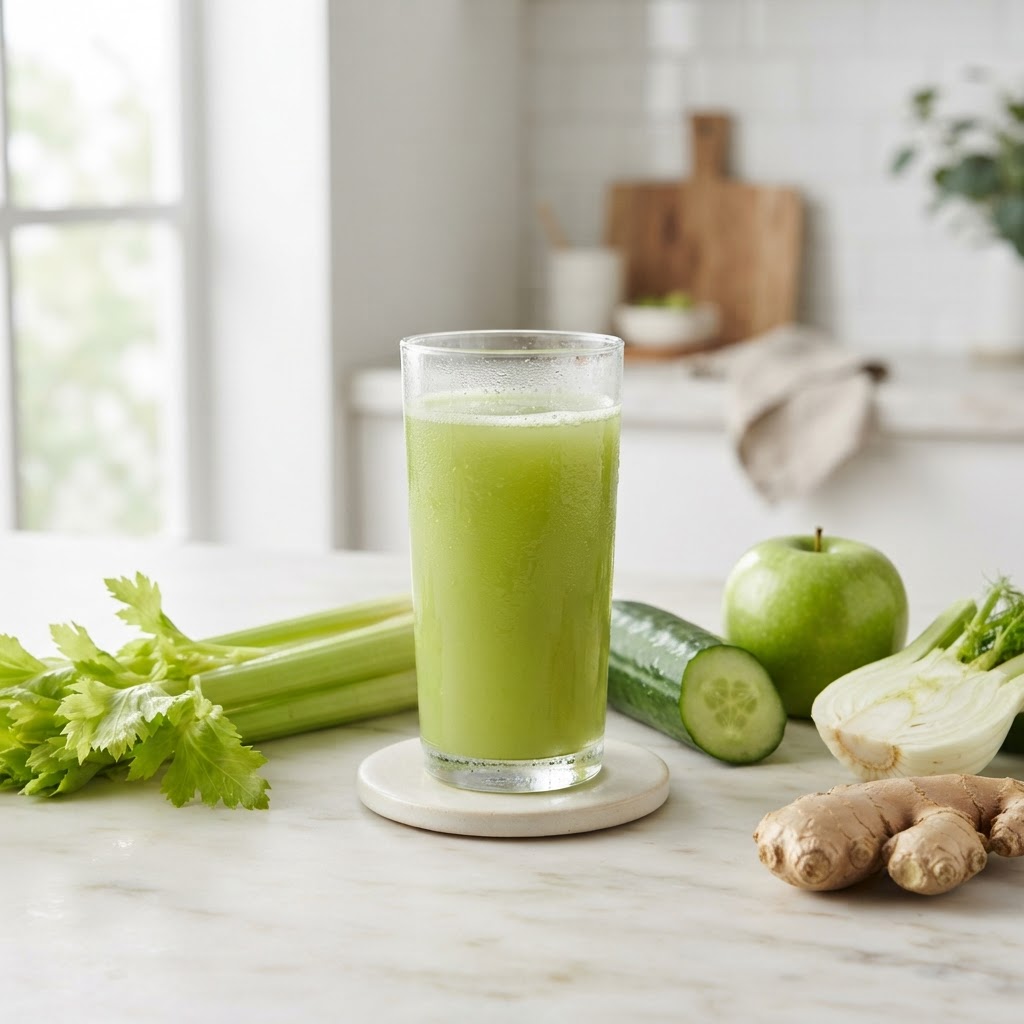
Fifth, juice strategically. Not all juices are equal when you are dealing with histamine issues. Many popular juice combinations are actually high-histamine or histamine-liberating. Spinach and citrus-heavy green juices can make things significantly worse. The right juice protocol uses low-histamine vegetables, hydrating bases, and anti-inflammatory compounds that support your liver's ability to clear histamine through secondary pathways.
Start Your 365-Day Juice Program
365 daily juice recipes, done-for-you grocery lists, and juicer guidance for life over 40 — one payment of $37.
Start Your Reset — $37 →Keep Reading
Start Your 365-Day Juice Reset
365 daily juice recipes, done-for-you grocery lists, and juicer guidance for life over 40 — one payment of $37.
Start Your Reset — $37