The Truth About Protein and Inflammation After 40
You are eating cleaner than you ever have, hitting your protein goals, and still waking up stiff, bloated, and exhausted. Something is not adding up. The frustrating part is that the protein you think is helping you might actually be making things worse.
Why This Happens After 40
Your body at 40 is not the same machine it was at 25. Hormone shifts, slower metabolism, and years of accumulated stress have changed the way you process everything, including protein.
After 40, your digestive enzyme production drops significantly. That means the same chicken breast or protein shake your body handled fine a decade ago now sits in your gut longer, fermenting and triggering an inflammatory response before it ever gets used as fuel.
At the same time, your gut lining becomes more permeable with age. Partially digested protein particles can slip through and signal your immune system to attack. The result is systemic inflammation that shows up as joint pain, brain fog, bloating, and that heavy feeling you cannot seem to shake no matter how well you eat.
Most people over 40 are also dealing with chronic low-grade inflammation already. Add difficult-to-digest protein sources on top of that and you are pouring fuel on a fire that was already burning.
The Real Problem (It's Not What You Think)
Here is what most people get wrong. They assume more protein equals better recovery and less pain. So they eat more of it. But the issue is not the amount of protein. The issue is absorption and source.
Animal proteins, especially red meat and processed protein powders, are high in arachidonic acid and other compounds that directly promote the production of inflammatory prostaglandins. Your body already produces more of these inflammatory messengers after 40 due to hormonal changes. Piling on inflammatory food sources accelerates the problem.
Highly processed whey and casein powders can also spike insulin and cortisol, two hormones that are already harder to regulate in your 40s and beyond. When cortisol stays elevated, it breaks down muscle tissue and increases inflammation in the joints. The very thing you are taking protein for starts working against you.
Plant-based proteins and whole food sources behave very differently in the body. They come packaged with fiber, antioxidants, and anti-inflammatory compounds that help buffer the digestive stress. Your gut handles them more efficiently, and they do not trigger the same immune response.
The shift you need to make is not eating less protein. It is rethinking which proteins your body over 40 can actually use without paying an inflammatory tax.
What You Can Do About It
Switch to easier-to-digest protein sources. Lentils, hemp seeds, peas, and leafy greens like spinach and kale offer solid protein without the inflammatory burden. If you eat animal protein, fatty fish like salmon and sardines provide protein alongside omega-3s that actively fight inflammation instead of adding to it.
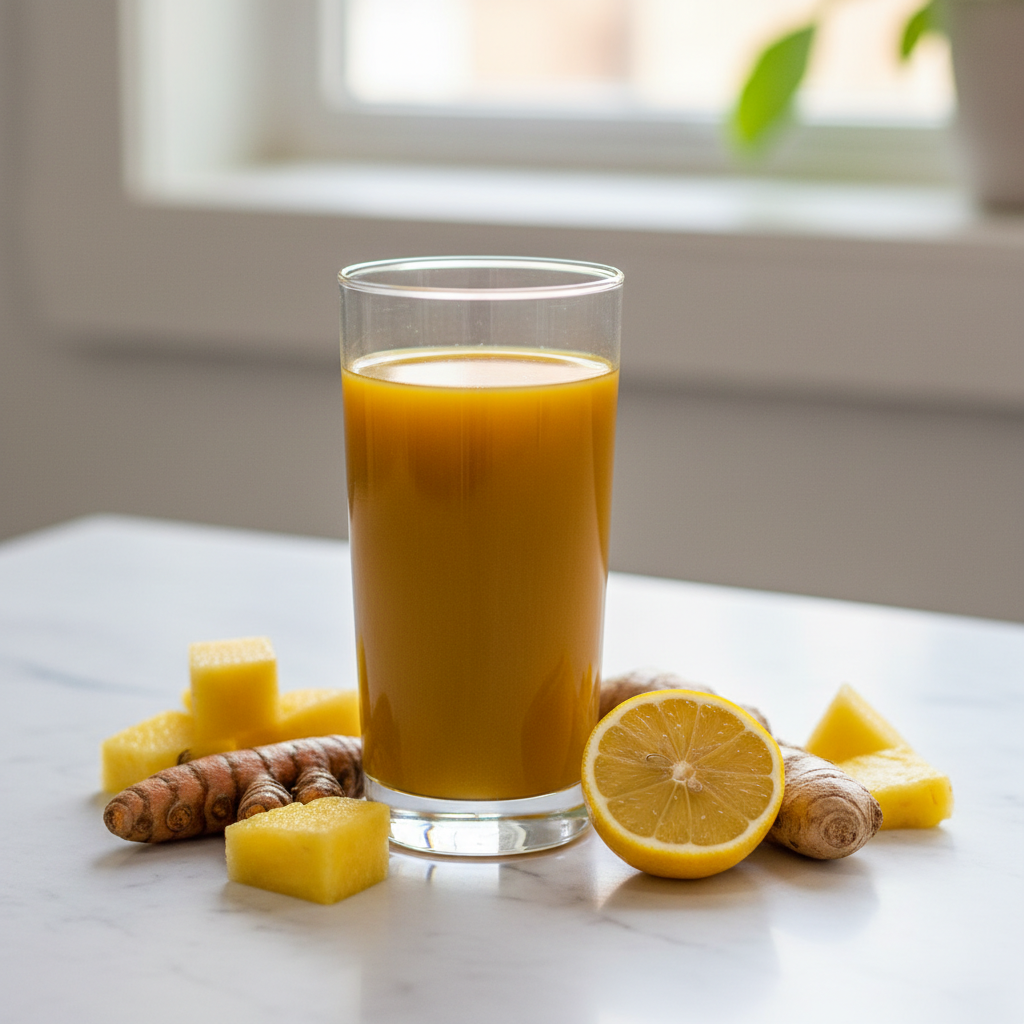
Add digestive enzymes and support gut health first. If your gut cannot break down protein properly, changing the source only helps so much. Juicing vegetables like ginger, fennel, and cucumber helps reduce gut inflammation and supports better nutrient absorption. A calmer digestive system means more protein actually reaches your muscles instead of feeding inflammation.
Time your protein differently. Your digestive system is less efficient in the evening after 40. Eating heavy protein meals late at night means more fermentation and more overnight inflammation. Front-load your protein earlier in the day when your digestion is working at its strongest.
Crowd out inflammatory proteins with anti-inflammatory foods. You do not have to overhaul everything at once. Start by adding one anti-inflammatory juice to your day, something with dark leafy greens, beets, ginger, or tart cherry. These ingredients directly lower inflammatory markers in the body and give your joints and tissues a chance to recover.
Watch for your personal triggers. Dairy-based proteins are a common hidden driver of inflammation after 40, especially as lactase enzyme production declines with age. Egg whites can also be problematic for some people. Pay attention to how you feel in the 24 to 48 hours after eating specific protein sources, and let your symptoms guide you more than any generic nutrition label.
Start Your 365-Day Juice Program
Stop guessing what to juice. Get a plan built for your body in 30 seconds.
Start Your Reset — $37 →Keep Reading
Get Your Personalized Juice Plan
Stop guessing what to juice. Get a plan built for your body in 30 seconds.
Fix My Symptoms Now →