The Gut-Brain Connection That's Making You Anxious and Tired After 40
You wake up exhausted even after a full night of sleep. Your stomach is bloated before noon, your brain feels like it is wrapped in fog, and that low-level anxiety that never fully goes away is getting harder to ignore. You have probably blamed stress, aging, or just a bad week. But the real culprit is likely sitting in your gut right now.
Why This Happens After 40
After 40, your body goes through a series of changes that most doctors never bother to explain. Stomach acid production drops. Digestive enzymes become less efficient. The diversity of bacteria living in your gut starts to decline. And the lining of your intestinal wall, which was once a tight barrier keeping toxins out of your bloodstream, begins to weaken.
This is not a dramatic overnight collapse. It is a slow erosion that builds over years. The food you ate without issue at 30 now sits in your gut longer than it should. Partially digested proteins and bacterial waste products start slipping through that weakened gut lining and entering your bloodstream. Your immune system responds by triggering inflammation. That inflammation spreads. It reaches your joints, your skin, and yes, your brain.
This process has a name. Doctors call it increased intestinal permeability. You may have heard it referred to as leaky gut. Whatever you call it, the result is the same. Your body is in a constant low-grade state of emergency, and you are exhausted from fighting it every single day.
The Real Problem (It's Not What You Think)
Most people over 40 assume their symptoms are separate issues. The anxiety is stress. The fatigue is aging. The bloating is just something they ate. The joint pain is wear and tear. So they treat each one separately, and nothing gets better.
Here is the belief shift that changes everything. Your gut and your brain are in constant two-way communication through what scientists call the gut-brain axis. The vagus nerve runs directly from your brainstem to your digestive tract. Roughly 90 percent of the serotonin in your body is produced in your gut, not your brain. When your gut is inflamed and your microbiome is out of balance, the signals traveling up that vagus nerve to your brain are not calm or neutral. They are distress signals.
That persistent anxiety you feel is not just in your head. It is being manufactured in your gut and delivered directly to your nervous system. The fatigue is not laziness or poor sleep habits. It is your immune system burning through your energy reserves trying to manage inflammation that never fully turns off. The bloating and brain fog are symptoms of the same root dysfunction, not five different problems requiring five different solutions.
When you treat the gut, the other symptoms start to resolve. Not because of some miracle, but because you finally addressed the actual source of the problem.
What You Can Do About It
Feed the good bacteria, not the bad ones. The bacteria in your gut are not passive passengers. They compete for dominance, and what you eat determines who wins. Refined sugar, processed grains, and alcohol feed the harmful strains that drive inflammation. Dark leafy greens, root vegetables, and fresh fruit juices high in polyphenols feed the beneficial bacteria that produce anti-inflammatory compounds and support serotonin production.
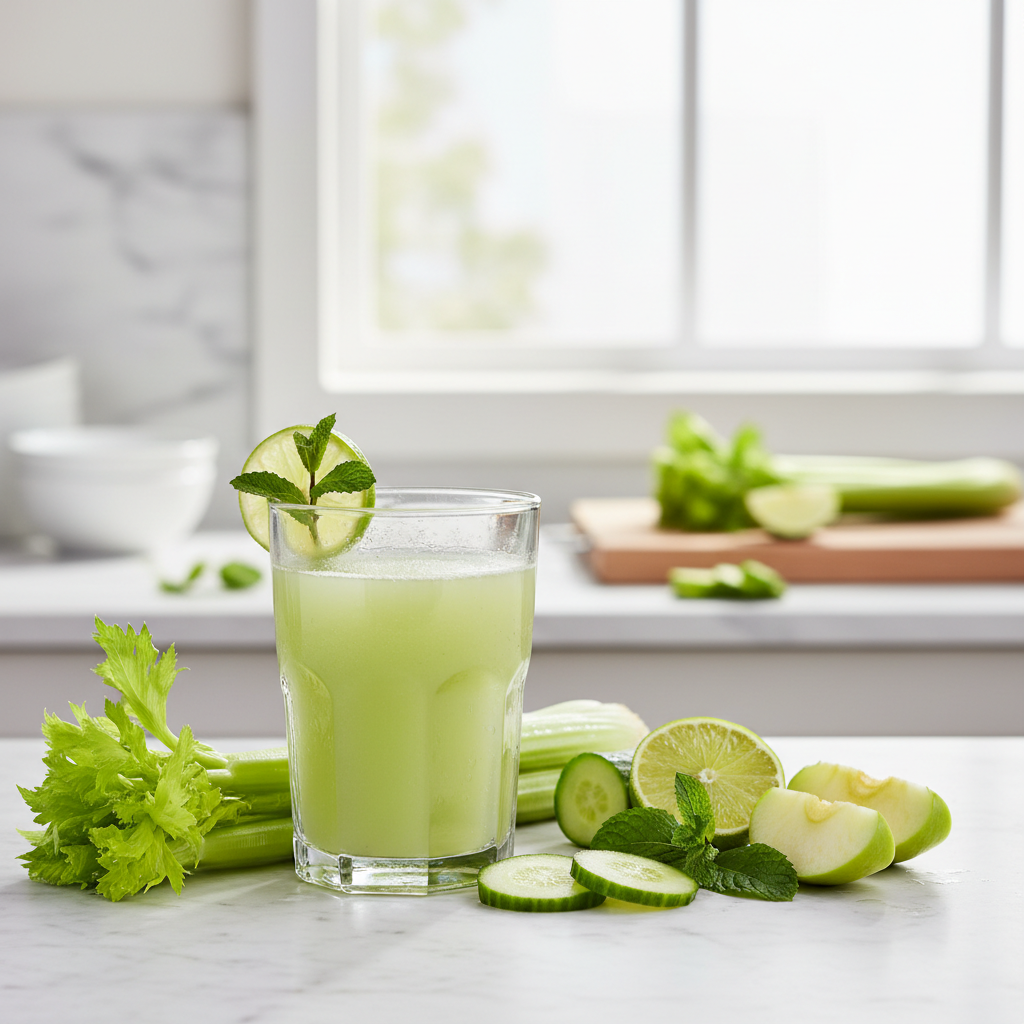
Flood your gut with prebiotic fiber through juicing. Vegetables like beets, celery, fennel, and ginger provide specific compounds that act as fuel for beneficial gut bacteria. When you juice these vegetables fresh, you deliver a concentrated dose of these compounds in a form your compromised digestive system can actually absorb without working overtime. If your gut lining is weakened, whole foods can sometimes cause more irritation before things improve. Fresh juice is often easier to tolerate during the early recovery phase.
Reduce the inflammatory triggers that keep the fire burning. Gluten, dairy, and industrial seed oils are the most common drivers of gut inflammation in people over 40. You do not have to eliminate everything forever. But taking a deliberate two to three week break from these foods while flooding your system with anti-inflammatory juice can give your gut lining the window it needs to begin repairing itself.
Support your vagus nerve directly. Deep breathing, cold water on your face, and even humming or singing stimulate vagal tone, which helps calm the inflammatory signals traveling between your gut and brain. This sounds too simple to matter. It is not. Pairing dietary changes with vagus nerve stimulation accelerates the reduction in anxiety symptoms that people report when they start working on gut health seriously.
Be consistent for at least 21 days before you judge the results. Your gut microbiome does not reset in three days. The beneficial bacteria need time to establish dominance, the gut lining needs time to tighten, and the inflammatory markers in your bloodstream take weeks to come down. Most people give up in the first week because they do not feel dramatically different immediately. Stay consistent. The shift usually comes around days 14 to 18, and it is significant when it arrives.
Start Your 365-Day Juice Program
365 daily juice recipes, done-for-you grocery lists, and juicer guidance for life over 40 — one payment of $37.
Start Your Reset — $37 →Keep Reading
Start Your 365-Day Juice Reset
365 daily juice recipes, done-for-you grocery lists, and juicer guidance for life over 40 — one payment of $37.
Start Your Reset — $37