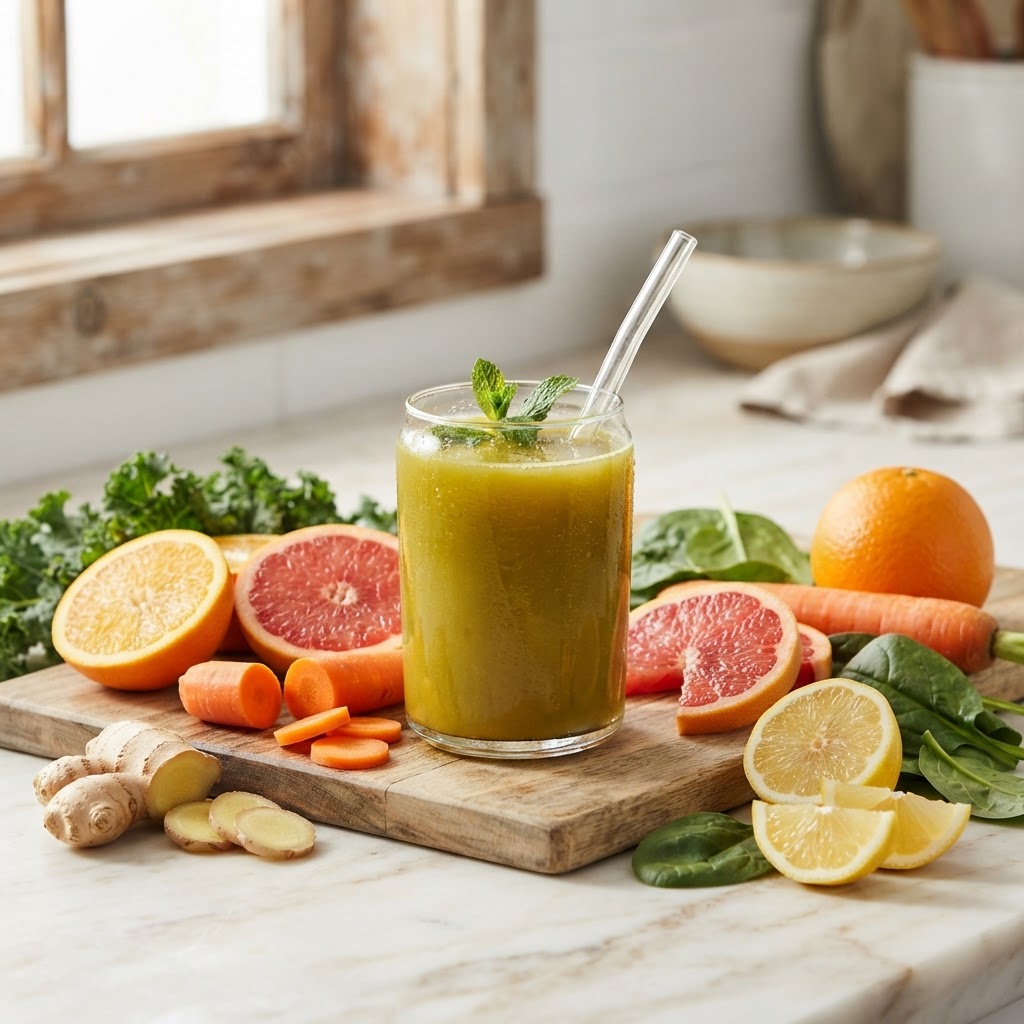
How Beet Juice Affects Blood Pressure and Energy After 40
You wake up tired, your joints ache before noon, and your doctor keeps nudging you about your blood pressure. You are doing everything you think you should be doing, and yet nothing seems to change. Beet juice might be the one thing you have not seriously tried yet, and the research behind it is hard to ignore.
Why This Happens After 40
After 40, your body starts losing its ability to regulate nitric oxide as efficiently as it once did. Nitric oxide is what keeps your blood vessels flexible and your circulation strong. When levels drop, blood pressure climbs, energy tanks, and inflammation takes hold in places you used to never notice.
At the same time, your mitochondria, the tiny engines inside your cells that produce energy, start declining in both number and efficiency. This is not a motivation problem. This is a biology problem. Your cells are literally producing less fuel than they used to.
Add in years of processed food, chronic stress, and disrupted sleep, and you have a system that is running on fumes. The fatigue you feel is not laziness. The blood pressure creep is not just genetics. Your body is signaling that something needs to change at a cellular level.
The Real Problem (It's Not What You Think)
Most people over 40 assume their energy and blood pressure issues come down to weight or stress. Those things matter, but they are not the root of what is happening inside your blood vessels and cells.
The real issue is nitric oxide deficiency combined with oxidative stress. Your arteries are less elastic than they were at 30. Your body is producing more free radicals and fewer antioxidants to fight them. The result is a constant low-grade inflammatory state that drains your energy, raises your pressure, and makes your joints feel like they belong to someone twenty years older.
Beet juice is one of the most concentrated natural sources of dietary nitrates available. When you drink it, your body converts those nitrates into nitric oxide through a two-step process involving your saliva and gut bacteria. That nitric oxide then signals your blood vessels to relax and widen, which lowers blood pressure and improves blood flow to your muscles and brain.
Studies published in journals like Hypertension and the Journal of Nutrition have shown that drinking around 500ml of beet juice can lower systolic blood pressure by an average of four to five points within just a few hours. For someone hovering in the pre-hypertensive range, that is meaningful without a single side effect.
The energy boost is not a placebo either. Improved blood flow means your muscles get more oxygen. More oxygen means your cells produce ATP, your body's actual energy currency, more efficiently. People over 40 who add beet juice to their routine consistently report feeling less winded during exercise and more alert during the day.
What You Can Do About It
Start with half a cup daily and build up. Beet juice is potent. If you jump straight to a full glass, some people experience digestive discomfort. Start with four ounces in the morning and give your body a week to adjust before increasing the amount.
Drink it on an empty stomach or before exercise. The nitrate-to-nitric-oxide conversion works best when your digestive system is not competing with a full meal. Drinking it 30 to 60 minutes before physical activity can noticeably improve your endurance and reduce how hard your heart has to work.
Do not use antibacterial mouthwash right after drinking it. This sounds strange but it matters. The first step of converting nitrates happens in your mouth through oral bacteria. Killing those bacteria with mouthwash immediately after drinking beet juice interrupts the process and reduces the blood pressure benefit significantly.
Pair beet juice with anti-inflammatory ingredients. Ginger, turmeric, and tart cherry all work well with beet juice and amplify the anti-inflammatory effect. If joint pain is part of your picture, building a juice around beet, ginger, and a small amount of lemon is one of the most practical combinations you can make at home.
Be consistent for at least two weeks before judging results. The acute effects on blood pressure can show up within hours, but the cumulative effects on energy, inflammation, and circulation build over time. Two to four weeks of consistent use gives you a much clearer picture of what beet juice is actually doing for your body.
Start Your 365-Day Juice Program
Stop guessing what to juice. Get a plan built for your body in 30 seconds.
Start Your Reset — $37 →Keep Reading
Get Your Personalized Juice Plan
Stop guessing what to juice. Get a plan built for your body in 30 seconds.
Fix My Symptoms Now →